Wondering if Basking Ridge lives up to its reputation? If you are thinking about moving within Somerset County or relocating to central New Jersey, this is one of those places that often stands out for its established feel, commuter access, and everyday amenities. Here’s a practical look at what living in Basking Ridge is really like, so you can decide whether it fits your lifestyle and your budget. Let’s dive in.
Basking Ridge at a glance
Basking Ridge is a historic, residential center within Bernards Township, and that context matters when you are getting to know the area. While Census data covers the Basking Ridge CDP, many of the services residents use every day, including schools, parks, recreation, and township events, are organized through Bernards Township.
The overall feel is settled and community-oriented rather than busy or heavily commercial. Bernards Township highlights downtown Basking Ridge, the village green, local parks, municipal services, and recurring events like Charter Day and the Memorial Day Parade, which help give the area a strong civic center.
Everyday life feels established
One of the clearest things you notice about Basking Ridge is how rooted it feels. Census data shows 7,196 residents, with 23.2% under age 18 and an average household size of 2.64. Just as telling, 96.5% of residents were living in the same house one year later.
Those numbers point to a place with relatively low turnover and a stable residential rhythm. If you prefer neighborhoods that feel established rather than constantly changing, that can be a meaningful plus.
A real downtown, not just a zip code
Some suburban communities have homes but no real center. Basking Ridge is different because downtown and the village green give the area a true focal point.
Township history and public information emphasize the area’s long connection to local settlement and civic life. Annual events centered in downtown Basking Ridge reinforce that sense of place, so daily life can feel more connected to a recognizable town center than to a spread-out suburb with no heart.
Housing in Basking Ridge
If you are considering a move here, price is one of the first things to understand. Basking Ridge is a high-value housing market, with a median owner-occupied home value of $851,200 according to the Census. That is well above New Jersey’s statewide median of $454,400.
This is also a strongly owner-occupied area. The owner-occupied rate is 83.9%, which supports the impression of a community where many residents stay put and invest for the long term.
What the housing mix looks like
Bernards Township planning documents show that most residential land use is in medium-density districts, where lots are often one acre or less. The township also has multi-family districts that include townhouses, apartments, and condominiums.
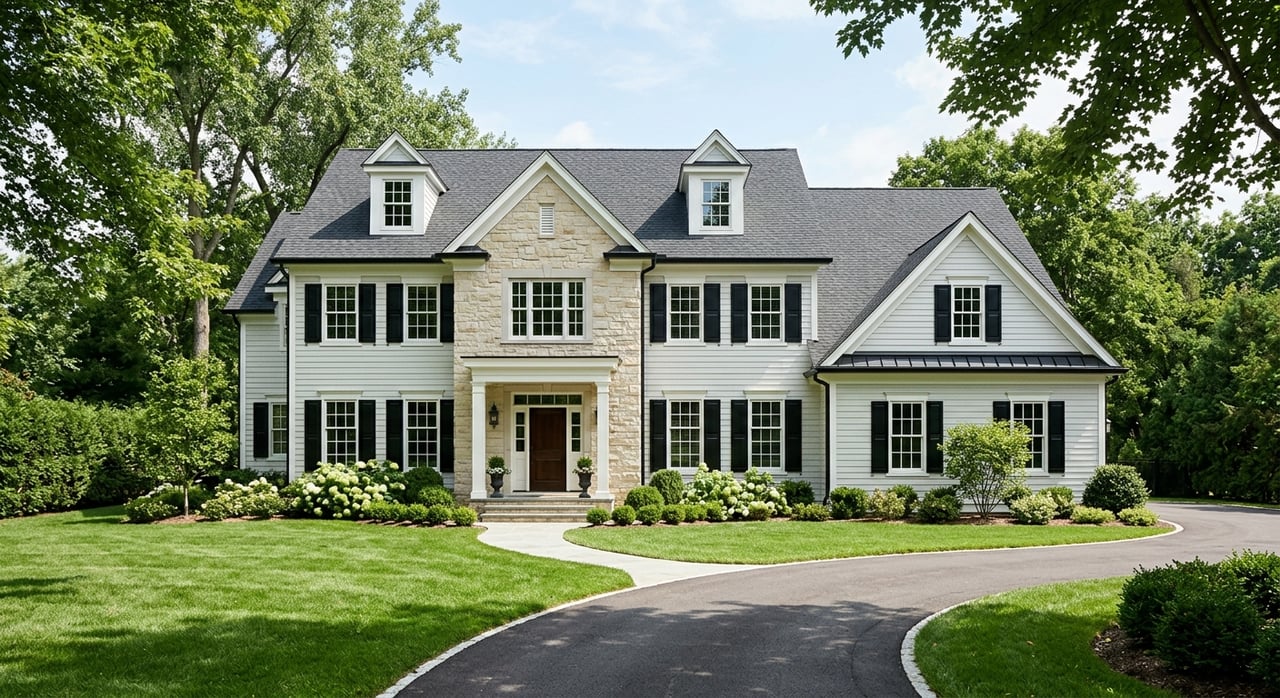
In practical terms, Basking Ridge offers a mix of an older historic core, conventional suburban neighborhoods, and some higher-density housing pockets elsewhere in the township. For many buyers, that means you can find different housing styles depending on your priorities, although the area is still best known for its suburban residential character.
Budget matters here
Basking Ridge is not an entry-level price point for most buyers. The Census reports a median household income of $188,295, and 74.3% of adults hold a bachelor’s degree or higher, which reflects a market with substantial purchasing power.
For buyers, that means you should go in with a realistic budget and clear priorities. For sellers, it reinforces why pricing strategy and presentation matter in a market where expectations can be high.
Schools and daily convenience
For many households, schools are part of the decision-making process, and Basking Ridge is served by Bernards Township Schools. The district includes Cedar Hill Elementary School, Liberty Corner Elementary School, Mount Prospect Elementary School, Oak Street Elementary School, William Annin Middle School, and Ridge High School.
A useful everyday detail is that the district offers before-and-after care at the elementary schools and at William Annin Middle School. If your schedule involves commuting or long workdays, that kind of support can make day-to-day life more manageable.
Public services support daily life
Basking Ridge does not rely on a massive commercial core for convenience. Instead, many of the practical amenities that shape daily life come from local public institutions.
The Bernards Township Library on South Maple Avenue offers evening and weekend hours, which is helpful if you need flexibility. The township recreation department, based at Collyer Lane, manages parks and facility programming that adds structure and options to life outside work and home.
Parks and recreation are a real strength
If you value green space, this is one of Basking Ridge’s strongest lifestyle advantages. Outdoor amenities are not an afterthought here. They are part of what gives the area its character.
Pleasant Valley Pool is located within Pleasant Valley Park on Valley Road, offering a seasonal recreational option for local residents. Lord Stirling Park and the Environmental Education Center in Basking Ridge add another layer, with daily-open trails, free Wi-Fi, outdoor programming, and equestrian activities.
Why this matters day to day
The recreational setup helps shape the pace of living here. Instead of feeling tightly built or intensely urban, Basking Ridge often feels greener and more open.
That can appeal to buyers who want access to parks, trails, and organized recreation without giving up proximity to regional job centers. It also adds to the area’s long-term livability, especially if you want options close to home on weekends and after work.
Commuting from Basking Ridge
Commuting is a big part of the Basking Ridge story. Bernards Township notes that Interstate 287, Interstate 78, and US Route 202 run through the township, giving residents access to major regional employment centers.
That road network is important because daily life here is still largely car-oriented. Even if you plan to use rail at times, driving will likely remain part of your routine.
NJ TRANSIT is helpful, but limited
Basking Ridge Station sits on NJ TRANSIT’s Gladstone Branch and serves the Morris & Essex service area. The station offers parking, Wi-Fi, bike racks or lockers, and one ticket vending machine, but no ticket agents.
It is best understood as a small commuter stop rather than a large park-and-ride hub. Parking is permit-based, with 53 spaces in one lot and 36 in another, so rail access is useful, but not unlimited.
What the commute feels like
The mean travel time to work is 28.7 minutes, which aligns with a suburban commuter market. Depending on where you work, that can mean a mix of local driving, highway commuting, or a rail-and-drive routine.
For many residents, the trade-off is worth it. You get a residential setting with access to wider central New Jersey and New York City job markets, but you should expect transportation choices to lean more practical than effortless.
Who Basking Ridge tends to suit
Basking Ridge can be a strong match if you want an established suburban setting with a real downtown identity, access to parks and civic amenities, and connections to the broader region. It especially appeals to buyers who value stability, homeownership, and a more settled pace of life.
The main trade-offs are price and reliance on a car. Home values are high relative to New Jersey overall, and the train station is a helpful option, not a complete transportation solution.
What buyers should think about first
Before you decide whether Basking Ridge is right for you, focus on a few practical questions:
- Does your budget line up with a high-value market?
- Do you want an established residential setting more than a dense commercial environment?
- Are parks, recreation, and township amenities part of your ideal lifestyle?
- Will a car-based routine work for your commute and daily errands?
- Are you looking for a place with a clear town center and long-term neighborhood stability?
If your answers lean yes, Basking Ridge may deserve a close look. If you want a lower price point or a more transit-centered lifestyle, it may be worth comparing it with other nearby Somerset County communities.
If you are exploring Basking Ridge or planning a move in Somerset County, working with a local advisor can help you compare neighborhoods, home styles, pricing, and commute realities in a more grounded way. When you are ready to talk through your next move, connect with Karen Boose - Coldwell Banker Realty.
FAQs
What is everyday life like in Basking Ridge?
- Everyday life in Basking Ridge tends to feel established, residential, and community-oriented, with a downtown core, township events, parks, and public amenities shaping the local experience.
Is Basking Ridge an expensive place to live?
- Basking Ridge is a higher-cost market than New Jersey overall, with a median owner-occupied home value of $851,200 compared with the statewide median of $454,400.
What types of homes are common in Basking Ridge?
- The area includes an older historic core, conventional suburban residential neighborhoods, and some townhouse, apartment, and condominium options elsewhere in Bernards Township.
What schools serve Basking Ridge residents?
- Basking Ridge is served by Bernards Township Schools, including Cedar Hill, Liberty Corner, Mount Prospect, and Oak Street elementary schools, William Annin Middle School, and Ridge High School.
How is the commute from Basking Ridge?
- Commuting is supported by major roads such as I-287, I-78, and Route 202, plus NJ TRANSIT service from Basking Ridge Station, though daily life is still largely car-oriented.
Does Basking Ridge have parks and recreation?
- Yes. Local amenities include Pleasant Valley Pool, Pleasant Valley Park, and Lord Stirling Park with trails, programming, and other outdoor features that contribute to the area’s recreational appeal.