Thinking about updates before you list your Hillsborough home? You want projects that buyers love and a return you can feel good about, without overspending for your neighborhood. In this guide, you’ll learn which upgrades add value here, how long they take, what permits to expect, and how to plan your timing if you are 3 to 12 months from selling. Let’s dive in.
What Hillsborough buyers value
Hillsborough Township attracts buyers who want flexible living space, convenient commuting, and homes that feel move‑in ready. You will see strong interest in functional, modern kitchens and primary bathrooms, finished basements that double as office or play space, and outdoor areas for everyday living. Energy efficiency and updated mechanical systems are increasingly important because they lower monthly costs and improve comfort. Keep finishes neutral and compare to recent sales on your street so you match the micro‑market rather than over‑improve.
Kitchen: refresh vs. remodel
When a refresh works
A minor refresh can go a long way with Hillsborough buyers. Repaint or refinish cabinets, swap hardware, update lighting, install a clean backsplash, and consider new counters in key zones. If appliances are dated, a stainless suite helps, even if you keep the layout. You get a modern, neutral look without heavy time or cost.
When to consider a full remodel
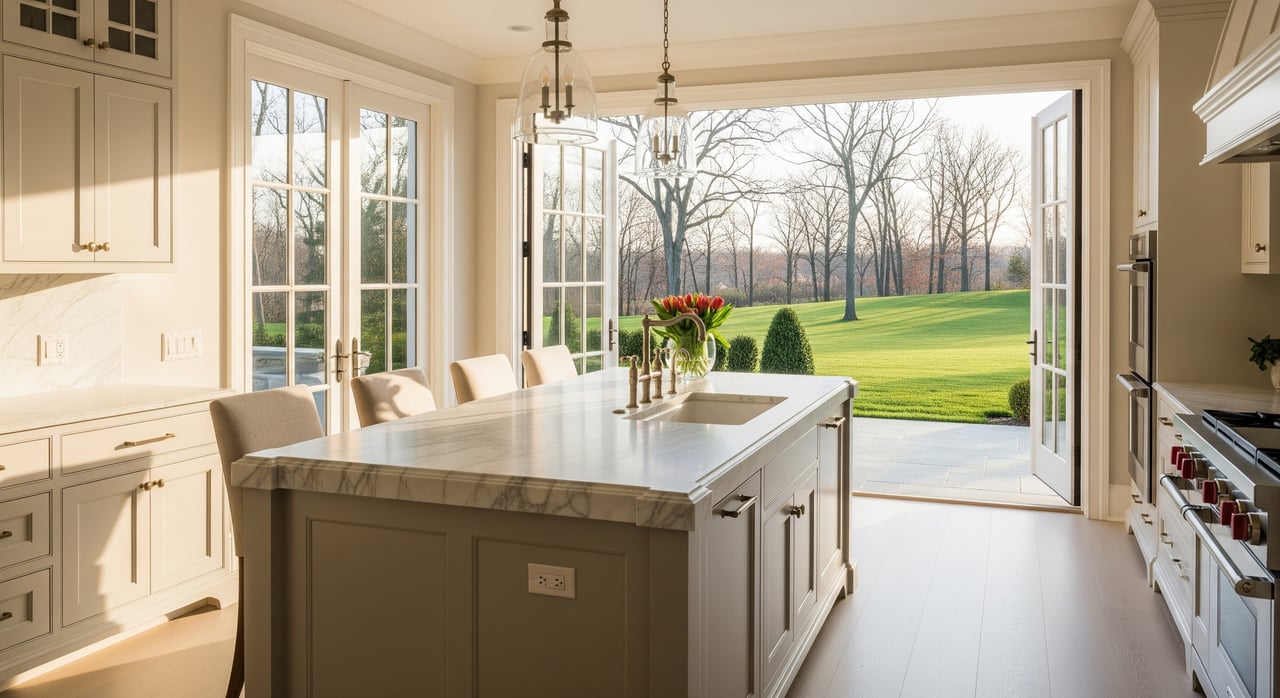
If your kitchen layout is inefficient or the cabinetry is beyond repair, a full remodel can reposition your home. Think new cabinetry to the ceiling, durable counters, upgraded lighting, a practical island, and resilient flooring. Align finish level with nearby comps so the investment matches the neighborhood. High‑end selections make sense only if similar homes nearby support them.
Permit notes and timing
Cosmetic changes are typically quick to complete and may not need permits. Electrical, plumbing, gas line moves, HVAC changes, or wall removals usually require permits and inspections. Plan several weeks for a refresh and several weeks to a few months for a full remodel, depending on scope and contractor schedules.
Avoid over‑improvement
Choose neutral finishes and mid‑range materials that present well in photos and in person. Let the immediate neighborhood set your ceiling on cost and style. Buyers respond to clean, bright, and consistent more than ultra‑custom looks.
Finish your basement wisely
Light finish that appeals
A light finish can create valuable flexible space for a home office, workout zone, or play area. Paint, updated lighting, and carpet or luxury vinyl plank make a lower level feel usable and inviting. Keep storage accessible and the layout open to maximize versatility. Aim for a finish quality that matches your main level.
Full finish with bath and rooms
A full finish can include insulated walls, framed rooms, and a bathroom. Add egress windows and doors to grade if you plan any sleeping area. A wet bar or kitchenette can be attractive, but adding a full kitchen is rarely necessary and may raise code and septic questions. Expect multiple weeks to a few months based on plumbing, egress, and inspections.
Permits, egress, and septic
Finishing a basement almost always requires permits for framing, electrical, plumbing, and egress. Bedrooms need proper egress openings and ceiling heights per code. If your property has a septic system, verify capacity before adding a bathroom, as upgrades can be costly.
ROI and risks
Mid‑level quality typically delivers the best value. A separate luxury suite with a private entrance can be overkill in many neighborhoods. Match the investment to comps and focus on clean design, good lighting, and comfortable flooring.
Energy‑efficient upgrades that sell
High‑priority systems
Buyers care about comfort and operating costs. High‑efficiency heating and cooling, a modern water heater, and proper attic and crawlspace insulation are smart upgrades. Air sealing and connected thermostats also help. Consider heat pump technologies if you plan for long‑term efficiency and comfort.
Timelines and permits
HVAC and water‑heater replacements typically take days to a few weeks, depending on permits and inspections. Insulation and air‑sealing can be completed in days or weeks. Multi‑system retrofits take longer and may be staged.
Incentives to explore
Look into statewide options through the New Jersey Clean Energy Program, and check local utility rebates for efficient HVAC, heat pumps, insulation, and appliances. Certain projects may qualify for federal tax credits. Confirm current eligibility and talk with your tax advisor before you begin.
Outdoor living and curb appeal
Quick curb refresh wins
Fresh landscaping, trimmed shrubs, pressure washing, and updated exterior lighting make a strong first impression. Consider repainting trim and refreshing the front door and hardware. Minor site work such as driveway repair or a new front walk can also boost appeal. These projects are quick and budget‑friendly.
Decks and patios buyers use
Well‑designed decks and patios extend living space for gatherings and daily life. Many outdoor structures require permits and must meet setback and lot coverage rules. Allow several weeks to a couple of months for design, approvals, and construction. Keep the design simple, durable, and scaled to the lot.
Scale to lot and comps
Outdoor spaces should feel natural, not oversized. Overbuilding can reduce yard usability and ROI. Compare to nearby homes and choose materials that look great in photos and hold up to seasons in Somerset County.
Bathrooms buyers appreciate
Simple updates
New vanities, lighting, modern mirrors, hardware, and regrouting can transform a bath. Focus on clean lines and neutral tones that photograph well. These quick updates are cost‑effective and reduce buyer objections.
Full remodel considerations
If layouts are dated, plan for new tile, updated fixtures, and dual sinks where space allows. Plumbing and electrical changes require permits and extend timelines. Do not remove a full bath, since bed and bath counts matter to buyers and appraisers.
Surfaces that stage well
Paint and floors
Fresh, neutral paint ties rooms together and makes spaces feel larger. Refinish hardwood where possible and replace worn carpet with mid‑grade carpet or LVP in moisture‑prone areas. Durable, cohesive surfaces help your listing stand out online.
Time your surfaces
Painting can take days to a couple of weeks. Flooring updates range from days to a few weeks depending on area size. Plan a short buffer for professional cleaning and staging before photography.
Local permits and planning basics
Start with the Hillsborough Township Construction Office for permit requirements and timelines. New Jersey follows the International Residential Code with state and local amendments, and inspections occur at multiple stages. Decks, finished basements with bedrooms, additions, major electrical or plumbing, and HVAC replacements commonly require permits. For exterior projects, verify setbacks and lot coverage with the Planning and Zoning Office, and expect a review if variances are needed.
Budgeting and financing options
Use financing that fits your scope and timeline. Home equity lines of credit and home equity loans are common for mid‑range projects. Some owners use cash‑out refinance, personal loans, or contractor financing. Energy‑efficiency financing may be available in parts of New Jersey, but confirm local availability before you plan around it.
A simple decision framework
- Compare nearby comps. Identify the finish level typical for your street or subdivision.
- Fix functional issues first. Address HVAC, water heater, roof, and safety items before cosmetics.
- Aim for right‑level upgrades. Choose neutral styles and durable materials that match local expectations.
- Match timelines to your plan. If you are 3 to 12 months from listing, pick projects that reliably finish with buffer time for staging.
- Ask how the change shifts market position. For example, finishing a basement may move your home into a higher‑appeal bracket if comps support it.
Pre‑project checklist
- Get 2 to 3 bids with clear scope, schedule, and who pulls permits.
- Verify licensing, insurance, and recent Somerset County references.
- Ask for lead times on cabinets, windows, and appliances; order early.
- Confirm septic capacity or sewer connection before adding baths.
- Review HOA covenants, if applicable, for exterior changes.
- Plan time after completion for cleaning, staging, and pro photography.
Common pitfalls to avoid
- Over‑customization. Highly personal finishes limit your buyer pool.
- Underestimating timelines. Permit windows and material delays happen; build a buffer.
- Ignoring comps. Overbuilding beyond the neighborhood reduces ROI.
- Skipping permits. Unpermitted work can delay closings and scare buyers.
- Neglecting systems. Cosmetic updates do not offset aging mechanicals.
- Vague contracts. Insist on clear scopes, milestone payments, and lien releases.
Selling soon? Prioritize these
- Kitchen refresh with updated lighting, hardware, and appliances.
- Simple bath upgrades that feel fresh and neutral.
- Mid‑level basement finish for a flexible office or play space.
- HVAC and water‑heater updates if systems are near end of life.
- Landscaping, lighting, and front entry improvements for curb appeal.
Ready to plan your Hillsborough sale?
You do not have to guess which projects will pay off in your micro‑market. Compare finish levels on your block, pick upgrades that remove buyer friction, and time your work so your home shines on day one. If you want a practical, step‑by‑step plan and vetted vendor referrals tailored to your street and price band, reach out to Karen Boose - Coldwell Banker Realty. Let’s make your next move smooth and successful.
FAQs
Which upgrades add the most value in Hillsborough?
- Kitchen refreshes, modest bathroom updates, mid‑level basement finishes, energy‑efficient mechanicals, and curb appeal improvements typically deliver the best value when matched to nearby comps.
Do I need a permit to finish a basement in Hillsborough?
- Yes, finishing a basement generally requires permits for framing, electrical, plumbing, and egress; bedrooms need proper egress and minimum ceiling heights per code.
Are heat pumps a smart upgrade for Somerset County sellers?
- Modern heat pumps can improve comfort and operating costs, which many buyers value; coordinate with local incentives and ensure the system suits your home’s layout and insulation.
How do I avoid over‑improving my kitchen?
- Match materials and features to nearby listings and recent sales, focusing on neutral finishes and function rather than luxury features that your immediate neighborhood does not support.
What outdoor projects require permits in Hillsborough?
- Decks, significant patios, pools, and permanent structures often need permits and must meet setback and lot coverage rules; check with the Construction and Planning offices early in the process.