Thinking about Basking Ridge often brings one question to the surface: do you want historic charm, a classic suburban layout, or something closer to new construction? If you are house hunting here, the answer is not always simple because Basking Ridge offers a layered housing market rather than a one-style-fits-all experience. Understanding what is actually available, and what each home type may mean for your budget, maintenance, and long-term plans, can help you make a smarter move. Let’s dive in.
A Layered Housing Market in Basking Ridge
Basking Ridge is best understood through Bernards Township, where most local housing and land-use data is tracked. The township has an 83.1% owner-occupied housing rate, a median owner-occupied home value of $814,800, and a median household income of $194,107. Taken together, those numbers point to an established market with many long-term homeowners rather than a high-turnover rental landscape.
Commuter access is also part of the local picture. Basking Ridge Station sits on NJ Transit’s Morris & Essex Line and Gladstone Branch, which helps explain why the area continues to appeal to buyers who want suburban living with rail access. The mean travel time to work in Bernards Township is 32.5 minutes, adding more context to how many residents balance home life and commuting.
Historic Homes Shape the Town’s Identity
One of the defining features of Basking Ridge is its connection to historic housing. Bernards Township identifies the Basking Ridge Historic District and the Franklin Corners Historic District as official historic resources, and the township’s preservation planning also points to historic farmsteads around Basking Ridge and Liberty Corner. This gives the local market a visible layer of older homes with architectural character and deep roots in the area’s development.
If you are drawn to older colonials, village homes, or historic-era properties, you may appreciate features that newer homes often cannot replicate. Think mature landscaping, established streets, and details that reflect an earlier period of construction. For many buyers, the appeal is not perfection on day one, but the chance to own a home with personality and improve it over time.
What to Expect From Older Homes
Historic and older homes can offer a strong sense of place, but they also require careful planning. Exterior changes and renovations may involve more than design choices because Bernards Township requires zoning permits for additions, decks, patios, fences, pools, driveways, sheds, and similar improvements. In areas with historic resources, it is wise to do extra diligence before making exterior updates.
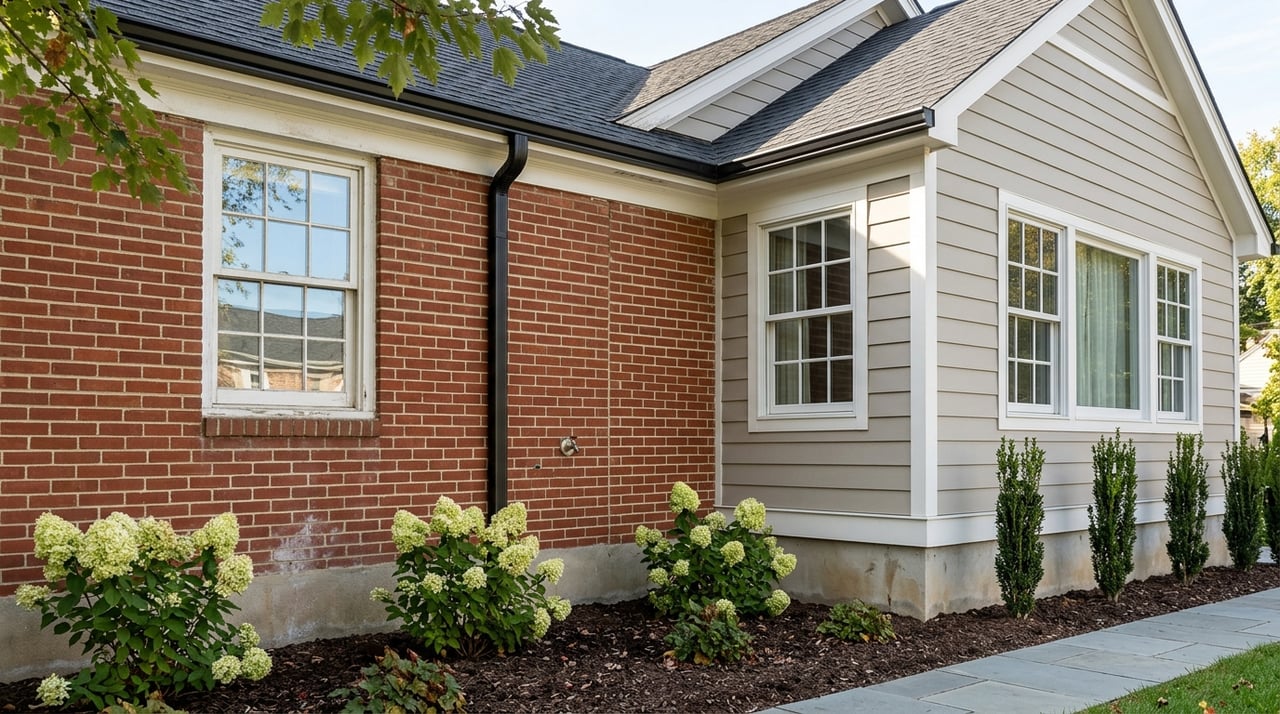
Age also matters from a maintenance standpoint. The EPA notes that homes built before 1978 are more likely to contain lead-based paint, and renovation or repair work can create hazardous lead dust if lead-safe practices are not followed. If you are considering an older Basking Ridge home, this is an important issue to discuss early when planning updates.
The Core of the Market: 1980s to 2000s Homes
While historic homes get a lot of attention, they are not the whole story. Bernards Township’s 2025 housing plan shows that 54.2% of housing units are detached single-family homes. It also shows that 31.4% of units were built in the 1980s, 25.5% in the 1990s, and 10.8% in the 2000s.
That means a large share of Basking Ridge homes come from the 1980s through the 2000s. In practical terms, these properties form the backbone of the local market. They often sit between historic homes and brand-new construction in both style and upkeep, which makes them especially relevant for move-up buyers.
Why These Homes Appeal to Many Buyers
Homes from this era often align with what many suburban buyers want today. You are more likely to find larger footprints, attached garages, basements, and layouts that feel more modern than much older homes. At the same time, these properties may involve less near-term rehab risk than a historic house, while still offering established neighborhoods and mature lots.
For buyers who want space and function without taking on a full custom build or major restoration project, this middle category can be a very practical fit. In Basking Ridge, it is not a niche option. It is the center of the market.
Townhomes and Condos Are a Real Option
Basking Ridge is not only a detached-home market. Bernards Township’s housing plan shows that 22.7% of units are 1-attached, with additional housing in several multi-unit categories. That means attached housing is a meaningful part of local inventory, not just an occasional alternative.
For some buyers, that matters a great deal. A townhome or condo may offer a smaller footprint, lower exterior maintenance, or a more streamlined ownership experience. If your priority is convenience, downsizing, or commuter access, attached housing can be worth a close look.
Who May Prefer Attached Housing
Townhomes and condos can make sense if you want to stay in Basking Ridge without taking on the responsibilities of a larger detached property. They may also appeal if you value a more manageable home while keeping access to the area’s commuter options. With Basking Ridge Station on the Gladstone Branch, this category can be especially attractive for buyers who plan around rail access.
What New Construction Really Looks Like
It is easy to assume that a strong suburban market will have abundant new homes, but that is not the case here. Bernards Township data shows that only 0.1% of housing units were built in 2020 or later. So while new construction exists, it is limited and does not define the market.
Instead, newer supply is being added in selected projects layered into an already established town. Township housing-plan appendices list projects such as 110 Allen Road Townhomes, Garden Homes on Valley Road, 99 Lord Stirling Road Townhomes, 131 Morristown Road Townhomes, Anderson Farms townhomes on Martinsville Road, and Quarry at Stonehouse Road with 60 single-family homes. That tells you new inventory is part of the picture, but not the dominant story.
What Buyers Should Know About Newer Homes
If you want a newer layout, updated systems, and less immediate maintenance, new construction or a recent rebuild may be appealing. But in Basking Ridge, you should be prepared for limited supply and strong interest when these properties become available. It is also important to remember that new development still moves through township approvals and permit processes.
Bernards Township’s construction office handles permit review and inspection for new construction and rehabilitation of existing structures. That means even newer projects sit within a structured local approval environment. In a built-out market like Basking Ridge, that process is part of how new inventory comes to life.
Choosing the Right Fit for Your Goals
The best home in Basking Ridge depends less on age alone and more on how you want to live. If you love character and are comfortable planning updates over time, an older colonial or historic-era home may feel like the right match. If you want a classic suburban layout with more space and a familiar floor plan, the 1980s to 2000s detached market may offer the best balance.
If convenience is a priority, attached housing may give you an easier ownership model. And if you strongly prefer a newer home, it helps to go in knowing that true recent construction is limited, which can affect timing and competition. In other words, the local market is not simply historic versus new. It is a mix of styles, eras, and ownership experiences.
What Sellers Should Keep in Mind
If you already own a home in Basking Ridge, your property’s age and style can shape how buyers view it. Character-rich older homes may attract buyers who value architecture and established settings, but they may also ask more questions about updates, permits, and maintenance. Homes from the 1980s through the 2000s may appeal to buyers looking for space and function, while newer homes may stand out because they are relatively rare.
Bernards Township also requires a Construction Records Clearance for all property sales, in addition to a smoke detector, carbon monoxide, and fire extinguisher certificate. For sellers, that is an important local detail to prepare for early. Staying ahead of township requirements can help reduce stress later in the transaction.
Basking Ridge offers more variety than many buyers expect, from historic properties to classic suburban single-family homes, attached options, and limited new construction. If you want help sorting through which type of home fits your goals, or how to position your current home for the market, Karen Boose - Coldwell Banker Realty is here to help with clear guidance and a personalized approach.
FAQs
What types of homes are most common in Basking Ridge?
- Bernards Township data shows detached single-family homes make up 54.2% of housing units, with a large share of homes built in the 1980s and 1990s.
Are there historic homes in Basking Ridge?
- Yes. The township identifies the Basking Ridge Historic District and Franklin Corners Historic District, along with historic farmsteads in the area, which helps explain the presence of older character-rich homes.
Is new construction common in Basking Ridge?
- No. Bernards Township data shows only 0.1% of housing units were built in 2020 or later, so newer homes exist but are limited.
Are townhomes and condos available in Basking Ridge?
- Yes. Attached housing is a meaningful part of the local market, with 22.7% of units classified as 1-attached, plus additional multi-unit housing.
What should buyers know about updating older Basking Ridge homes?
- Bernards Township requires permits for many exterior improvements, and older homes, especially those built before 1978, may require extra attention to lead-safe renovation practices.
What should Basking Ridge sellers prepare for before closing?
- Sellers should plan for township requirements that include a Construction Records Clearance and certificates for smoke detectors, carbon monoxide, and fire extinguishers.